The Arctic National Wildlife Refuge
Mapping critical habitat at the top of the world
Maps and words by Alex Badgett
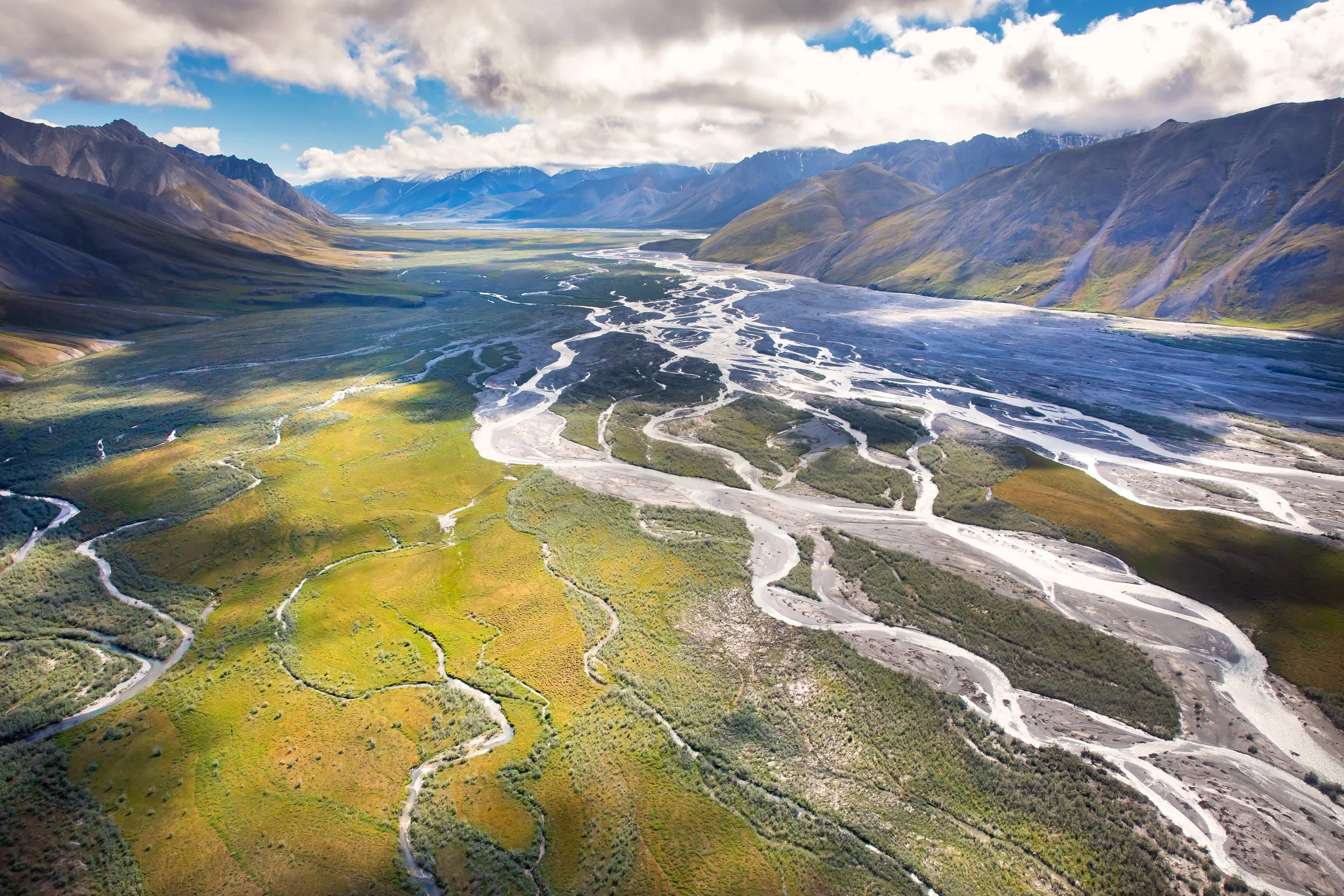
Background Image: Arctic Refuge landscape , Lisa Hupp/USFWS, Public Domain
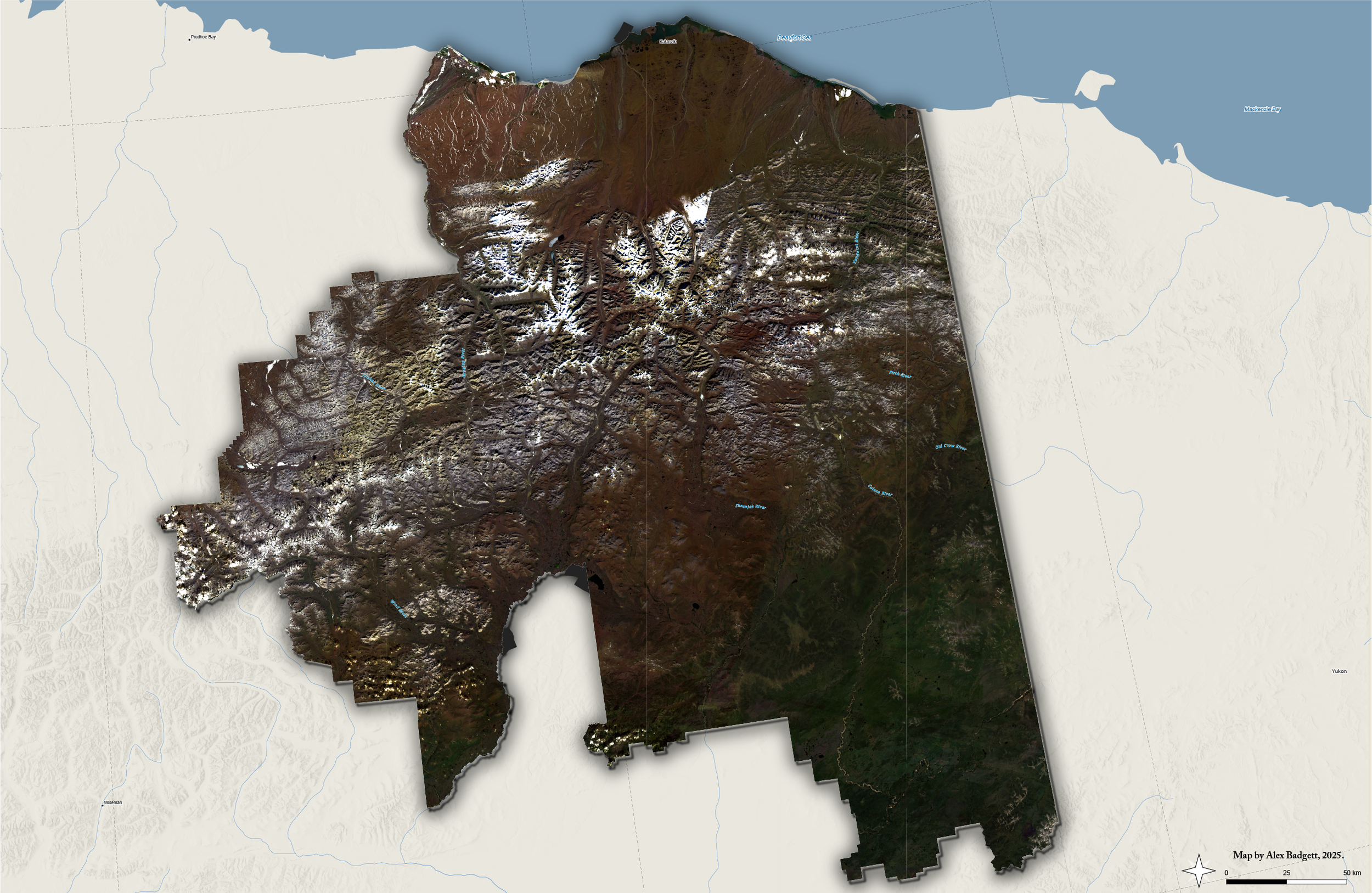
The Arctic National Wildlife Refuge stands as North America's most pristine wilderness, supporting over 200 bird species across its 19.3 million acres of roadless tundra, wetlands, and boreal-Arctic transition zones.
My goal with this project is to give a scale to the vastness of this wilderness, and the importance of it to the bird species that call it home.
This image informs the other elements of the map and gives a sense of scale and variety of the landscapes contained within this refuge.
To form a basis for my map, I developed a workflow in Python and Google Earth Engine to process Landsat-8 imagery to form a cloud-free true color composite of the ANWR.
Meet some of the birds that call Arctic National Wildlife Refuge home
-
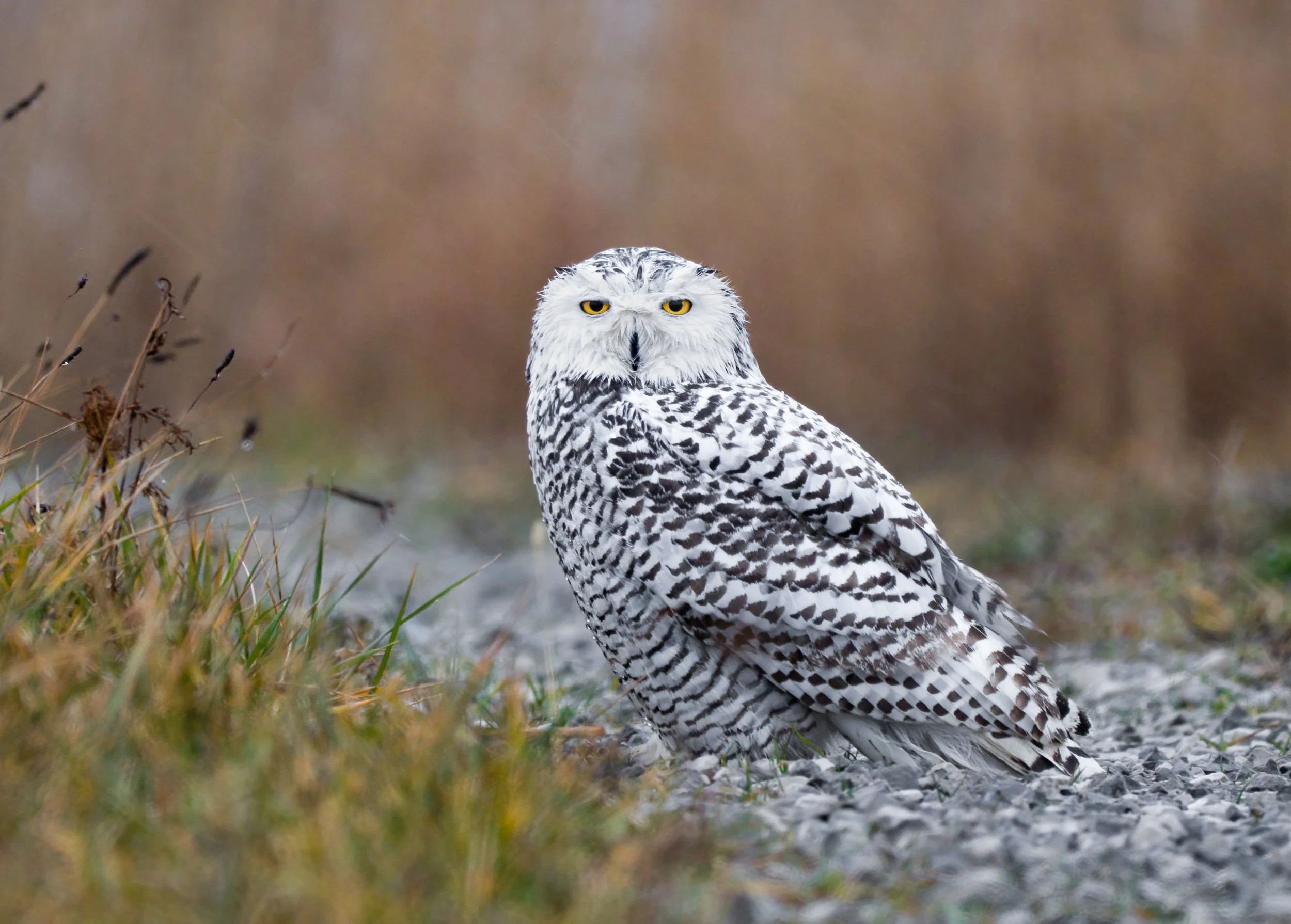
bubo scandiacus
The Snowy Owl is North America's largest owl by weight, with females exceeding 2.2 kilograms and wingspans surpassing 1.5 meters. These diurnal Arctic predators maintain variable populations as uncommon to common permanent residents in ANWR. During peak lemming years, they become occasional rare breeders on the coastal plain, with research showing that brown lemmings comprise 94.6% of their diet and a single adult may consume over 1,600 lemmings annually. ANWR's undisturbed tundra provides critical habitat for this apex predator that serves as an indicator of Arctic ecosystem health.
Snowy owl image, Bonello, Jake, Public Domain, https://www.fws.gov/media/snowy-owl-rain
-
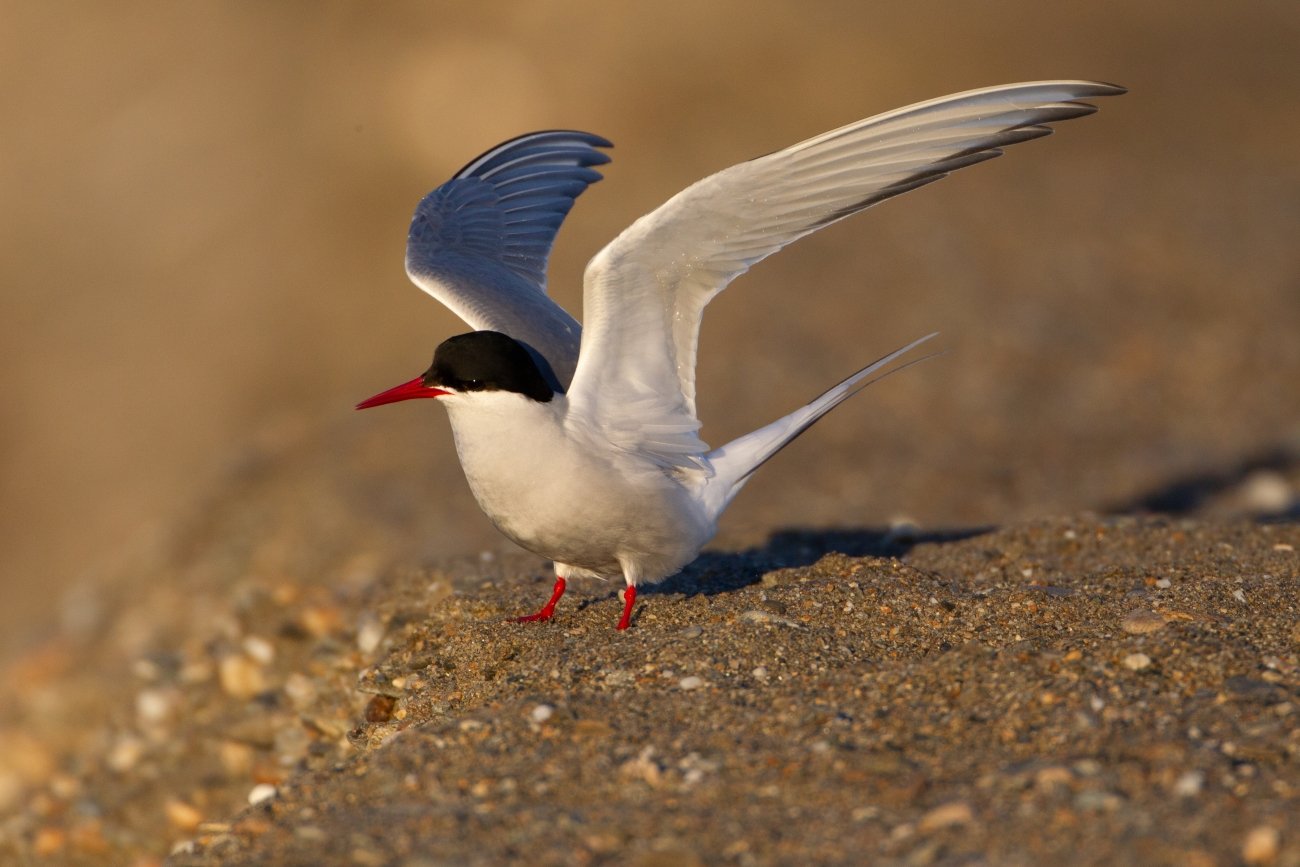
sterna paradisaea
The Arctic Tern undertakes the longest migration of any bird, traveling over 70,900 kilometers annually from Arctic to Antarctic. ANWR serves as uncommon to common summer breeding habitat along the coastal plain and barrier islands, where these seabirds establish colonies from late April through August. Their specialized plunge-diving foraging in coastal lagoons and tundra ponds during continuous Arctic daylight allows round-the-clock provisioning of chicks. Climate change threatens the species with projected 20-50% habitat loss, making ANWR's pristine coastal environments increasingly critical as southern breeding areas become unsuitable. The refuge's undisturbed breeding sites provide essential sanctuary for this vulnerable population facing mounting conservation pressures.
Arctic tern image, Peter Pearsall/USFWS, Public Domain, https://www.fws.gov/media/arctic-tern-5
-
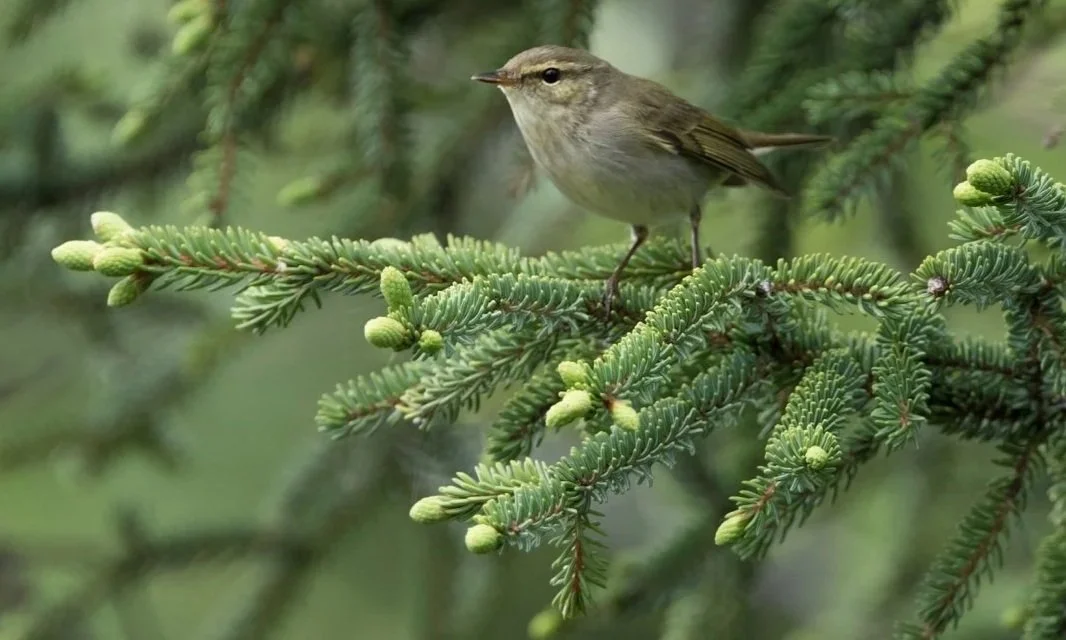
phylloscopus borealis
The Arctic Warbler represents a remarkable biogeographic anomaly - the only Old World warbler species breeding in North America while wintering in Asia. Within ANWR, these small songbirds reside in dense shrub thickets 4-10 feet tall, particularly dwarf willows and alder thick along stream corridors in the refuge's foothills and river valleys. They serve important ecological functions as insect population controllers, feeding on flies, beetles, and caterpillars from shrub vegetation during the brief June-August breeding season. Despite a global population of 82 million individuals, the species has experienced steep population declines over the past 30 years primarily due to habitat loss in wintering areas, making ANWR's shrub tundra habitat increasingly valuable.
Arctic warbler image, Zak Pohlen/USFWS, Public Domain, https://www.fws.gov/media/usfwszak-pohlenarctic-warblersparrevohnjpg

Adapting to a warming world
Climate change represents the most pervasive and accelerating threat to Arctic bird populations, with the Arctic warming at twice the global average rate. Rising temperatures are fundamentally altering the physical landscape of the Arctic National Wildlife Refuge, causing permafrost thaw, changing precipitation patterns, and shifting vegetation zones northward. These changes cascade through Arctic food webs, disrupting the delicate timing relationships that Arctic birds have evolved over millennia. For species like the Arctic Tern and American Golden Plover that depend on precise seasonal synchronization between breeding cycles and peak prey availability, even minor shifts in timing can result in reproductive failure and population declines.
The Arctic National Wildlife Refuge's vast scale and habitat diversity position it as crucial climate refugia where species may find suitable conditions as their traditional habitats become unsuitable. The refuge's 19.3 million acres provide the landscape-scale connectivity necessary for species to track shifting habitat conditions northward, while its elevation gradients offer potential for altitudinal migrations as lowland areas warm. However, even ANWR's protected status cannot fully shield its bird populations from global climate impacts, particularly for species like Arctic Terns that face threats throughout their intercontinental migration routes. The refuge's role becomes increasingly important not just for habitat protection, but as a reference site for understanding how Arctic species respond to rapid environmental change and as a source population for recolonization efforts as climate conditions stabilize in the future.
To create the figure shown, I aggregated and visualized rainfall and temperature data from NOAA Climate Data Explorer, Kuparuk Station.
The final product
